
Jared Smith
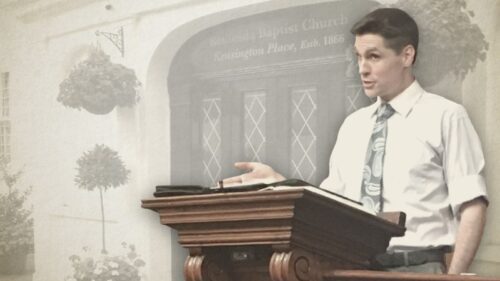
Jared Smith served twenty years as pastor of a Strict and Particular Baptist church in Kensington (London, England). He now serves as an Evangelist in the Philippines, preaching the gospel, organizing churches and training gospel preachers.
Jared Smith's Online Worship Services
Jared Smith's Sermons
Jared Smith on the Gospel Message
Jared Smith on the Biblical Covenants
Jared Smith on 18th Century Covenant Theology (Hyper-Calvinism)
Jared Smith on the Gospel Law
Jared Smith on Bible Doctrine
Jared Smith on Bible Reading
Jared Smith's Hymn Studies
Jared Smith on Eldership
Jared Smith's Studies In Genesis
Jared Smith's Studies in Romans
Jared Smith on Various Issues
Jared Smith, Covenant Baptist Church, Philippines
Jared Smith's Maternal Ancestry (Complete)
-
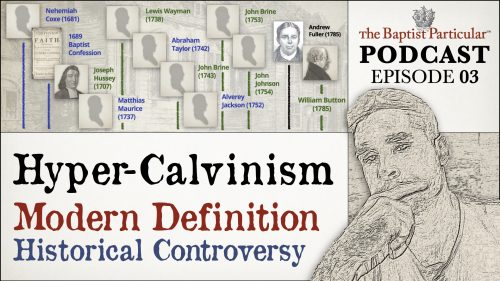
Hyper-Calvinism: Modern Definition – Historical Controversy (Episode 3)
The Baptist Particular Podcast serves as an analysis of Particular Baptist history and theology from a Hyper-Calvinist point of view. This Episode: A one-hundred year controversy broke out during the 18th century between the Moderate-Calvinists and the Hyper-Calvinists. The controversy reached beyond Denominational lines, with supporters of both teachings belonging to the...
-
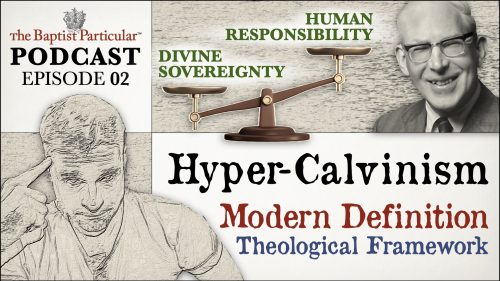
Hyper-Calvinism: Modern Definition – Theological Framework (Episode 2)
The Baptist Particular Podcast serves as an analysis of Particular Baptist history and theology from a Hyper-Calvinist point of view. This Episode: How do Moderate-Calvinists define Hyper-Calvinism? They say, "Hyper-Calvinism is the magnification of divine sovereignty to the exclusion of human responsibility." In this episode, Jared Smith distinguishes between the...
-
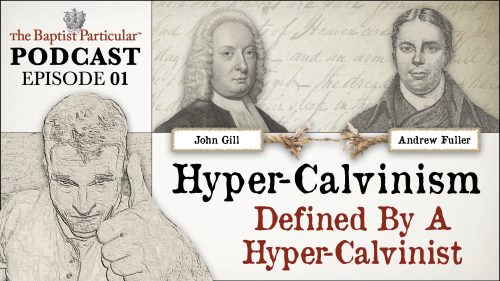
Hyper-Calvinism: Defined By A Hyper-Calvinist
The Baptist Particular Vodcast serves as an analysis of Particular Baptist history and theology from a Hyper-Calvinist point of view. This Episode: How does one define Hyper-Calvinism? While there are modern and free-lancing definitions, there is also a historic definition which serves as the goal post for the label. In this episode, Jared Smith traces the historical and doctrinal developments from John Calvin during the 16th century to the tenets of Hyper-Calvinism during the 18th century.
-
Latin Services – Coming To A Reformed Baptist Church Near You
The above insignias are becoming more common among Reformed Baptist churches. I understand the preachers are making a gentle shift from English to Latin. By the year 2050, the elders may be proficient to preach in Latin. I think Latin classes are now offered in some places after the liturgy, sacrament, catechism and confessional pledge? On this trajectory, they will reform themselves to the Dark Ages.
-
Associations Are The Hiding Places For The Weak And Ignorant
Pastors and churches would do well to consider the biblical authority and practical utility against congregational associations and ministerial fraternals. The general ethos of the Particular Baptists over the last four hundred years has been one of ministerial independence and congregational autonomy.
-
Andrew Fuller: A Liberal Theologian
Andrew Fuller was a Particular Baptist preacher. He was born in 1754 and died in 1815 at the age of 61. Fuller grew up at a time when John Gill was in the height of his gospel ministry at the Carter Lane Chapel in London. Gill was recognized as the leader of the denomination, if we could describe the Particular Baptists as a denomination at that time. As a prolific writer, Gill published many works, his magnum opus being a Body of Divinity in the year 1769.