-
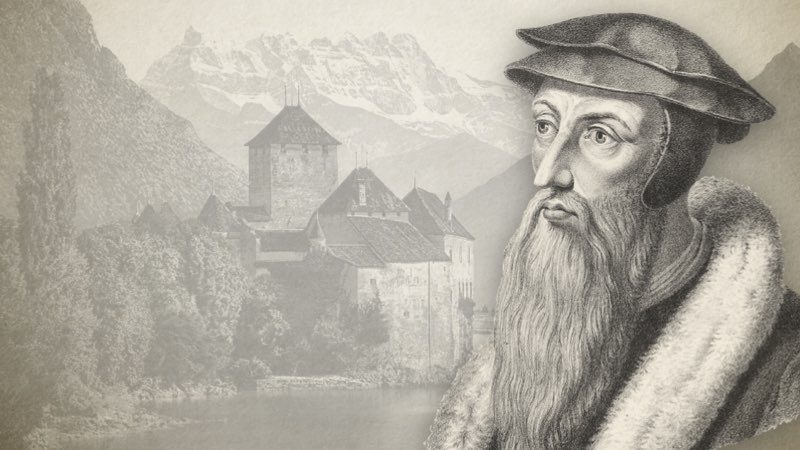
Book 1: Chapter 18, The Instrumentality Of The Wicked Employed By God, While He Continues Free From Every Taint
This chapter may be conveniently divided into two parts:—I. A general explanation is given of the doctrine of Divine Providence, in so far as conducive to the solid instruction and consolation of the godly, sect. 1, and specially sect. 2-12. First, however, those are refuted who deny that the world is governed by the secret and incomprehensible counsel of God; those also who throw the blame of all wickedness upon God, and absurdly pretend that exercises of piety are useless, sect. 2-5. Thereafter is added a holy meditation on Divine Providence, which, in the case of prosperity, is painted to the life, sect. 6-11. II. A solution of two objections from passages of Scripture, which attribute repentance to God, and speak of something like an…
-
September 18—Morning Devotion
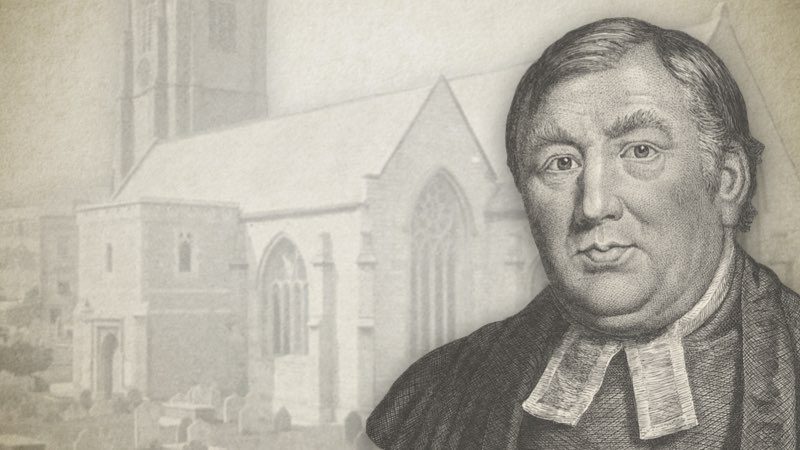
"The king is held in the galleries."—Song of Solomon 7:5 And who but Jesus is King in Zion? As one with the Father over all, God blessed for ever, he is indeed the King eternal, immortal, invisible. And as Mediator God-man, he is my God and King, both by his conquest of my heart, and the voluntary surrender of my soul. Yes, blessed Jesus, I not only hail thee my God and King, but I would have every knee bow before thee, and every tongue confess that thou art Lord and King, to the glory of God the Father. But, my soul, what are those galleries where thy King is held? Are they the scriptures of truth, where Jesus is held and retained, adored and…
-
In Mounts Of Danger And Of Straits
Theme: Providential Care Of God See Jared Smith’s video teaching on the hymn, a devotional exposition according to the Framework of Sovereign Grace. Text: Genesis 22:1-14 Genesis 22:1-14: “And it came to pass after these things, that God did tempt Abraham, and said unto him, Abraham: and he said, Behold, here I am. And he said, Take now thy son, thine only son Isaac, whom thou lovest, and get thee into the land of Moriah; and offer him there for a burnt offering upon one of the mountains which I will tell thee of. And Abraham rose up early in the morning, and saddled his ass, and took two of his young men with him, and Isaac his son, and clave the wood for the…
-
24 Bible Doctrine – How Do The Five Points Of Calvinism Align With The Framework Of Sovereign Grace?
A Transcript Of The Video Study In our previous study, I reminded you that there are two diametrically opposed systems of biblical theology—Arminianism and Calvinism. The Five Points of Calvinism were formulated in response to the Five Points of Arminianism, and they are as follows: Total Depravity, Unconditional Election, Limited Atonement, Irresistible Grace and the Preservation of the Saints. The natural and most common way to approach these teachings is in chronological order, beginning with the first point, moving down the list to the last point. However, the Five Points may also be viewed according to a structural order. The first and last points speaking of the nature of man, and his relationship to and with God; the middle three points speaking of the nature…
-
Fixed Was The Eternal State Of Man
Theme: Predestination See Jared Smith’s video teaching on the hymn, a devotional exposition according to the Framework of Sovereign Grace. Text: Luke 16:26; Ephesians 1:3-14 Luke 16:19-31: “There was a certain rich man, which was clothed in purple and fine linen, and fared sumptuously every day: and there was a certain beggar named Lazarus, which was laid at his gate, full of sores, and desiring to be fed with the crumbs which fell from the rich man's table: moreover the dogs came and licked his sores. And it came to pass, that the beggar died, and was carried by the angels into Abraham's bosom: the rich man also died, and was buried; and in hell he lift up his eyes, being in torments, and seeth…
-
23 Bible Doctrine- How Are The Doctrines Of Grace Structured?
A Transcript Of The Video Study This is the twenty-third study in the series, and I would like to speak to you on the subject of the Doctrines of Grace. I pointed out in an earlier study that there are two diametrically opposed systems of biblical theology—Arminianism, named after a Dutch Theologian who lived during the 16th century (Jacobus Arminius, 1560-1609); and Calvinism, named after a French Theologian who lived during the same century (John Calvin, 1509-1564). However, neither man formulated the systems of teachings represented by these labels. Rather, the teachings were drawn up by those who lived after both men died. This took place in Holland, between the years 1610 and 1618. The first system of teaching to be formulated was that of…