Experimental Religion
This is what a grace-taught soul is anxious to know if he really possesses. He watches his own heart and looks for the evidences of the Spirit’s work. He compares his feelings experienced by the Word of God and hopes he has the true marks of one of God’s children. Nothing short of this will satisfy him. He is fearful of being deceived or deceiving others. He keeps much of what he passes through in the exercises of his mind to himself; but if he hears others speak of what they have passed through and he finds it corresponds with his own longings, desires, hopes, he is encouraged to hope there is a work of grace in his heart and that he is in the footsteps of the flock.
Some parts of “Experimental Religion” are very painful. For instance, the burden of sin felt in the conscience, the fear that it is so great it cannot be pardoned, the wrath of God hanging over the soul and no way of escape seen, this causes sleepless nights and wearisome days, the mind is filled with gloomy apprehensions, the soul is humbled to the dust, tears of bitter sorrow fill the eye, sighs of deep anguish are wrung from a broken, contrite heart. Do you know anything of this experience? We do not set up an uniform standard of experience, but this is the path the Lord leads many of His people to Himself; and when pardon has been realised then begins a lifelong conflict between the flesh and the Spirit. This oft brings the soul into bondage, doubt, fear, and causes the cry to come from the burdened heart, “O wretched man that I am! who shall deliver me from the body of this death?” I am afraid that many professors know but little of these exercises of soul trouble; but they are an essential part of experimental religion. If we know nothing of this we know but little of Christ, for He is a Physician for sin-sick souls; He is a Saviour for those who feel themselves lost and undone; He is a deliverer for those who feel the gall of bitterness and the bonds of iniquity, who long to be free; He is a fountain for those who feel the pollution and defilement of sin, who loathe themselves in their own sight, whose cry is:—
“Let the water and the blood
From Thy wounded side which flowed,
Be of sin the double cure,
Cleanse me from its guilt and power.”
Some parts of “Experimental Religion” are joyous. When the Lord speaks the pardon of sin into the soul, removes the burden, assures the distressed soul of its part in the Redeemer’s work, that all guilt has been cancelled by His atoning sacrifice, every claim met by His obedience, what a revulsion of feeling takes place, what peace fills the heart, what love flows out to the dear Redeemer who bore the mighty load, what gratitude to God for His rich, sovereign grace. The lips now cannot frame language to tell the heartfelt joy. A new world has been entered upon. Heaven smiles,. faith appropriates precious promises, rejoices in vital union to Christ. The Spirit seals the sweet grace of adoption upon the heart, assures the soul of an inheritance laid up in heaven, leads into the rich blessings of the Gospel, opens up the everlasting love and favour of the Father. The Lord Jesus brings the soul into His banqueting house, there to sit down with great delight. That precious mysterious portion of God’s Word, “The Song of Songs,” is now understood and delighted in, eternal bliss is longed for, a foretaste of it is already enjoyed. These are happy days when the Lord indulges His loved ones thus.
Then also experimental religion is sanctifying to the soul. He who has felt the bitter burden and loathesomeness of sin cannot love it or give it countenance: he will fight against it, abhor it, pray to be preserved from falling into it. He hath the wormwood and the gall still in remembrance, he has been set free from the tyrannical power of Satan; and he is not likely to be found in his service again; he will walk circumspectly and daily pray to be kept from the snare of the evil one; he has tasted the sweets of holy fellowship with his Lord, and he wants not the world’s company or its vain pleasures now; nobler aspirations fill his breast, purer joys animate his soul, he is a free man rejoicing in the liberty of the Spirit, a fleshly carnal religion he repudiates. He walks in the light, “rejoices in Christ Jesus, has no confidence in the flesh.” His conversation is in heaven, his hopes are fixed there, holy principles draw his heart above this vain world to that which is satisfying and eternal in its nature.
“Experimental Religion” is also assuring. He who has learned in the school of experience is not likely to forget the lessons; they are too deeply embedded in the memory. He is confident that he has passed from darkness to light, from death to life. The throes and struggles of the new birth were too painful ever to be forgotten, the change from a burdened sinner to a ransomed soul so great that he is sure of the fact. he law of God was so real, the joy so ravishing, the grace shown so conspicuous. The doctrines of grace are written upon his heart, they are woven into his soul’s experience, there is no hesitancy or doubt in his mind about salvation being all of grace. There is no uncertain sound in the testimony of such an one; when he speaks of the Lord’s dealings with his soul he testifies that which he knows. The Lord has shown Himself so clearly on his behalf, heard his prayers, delivered him from his fears, brought him out of his troubles, that he cannot, dare not doubt His love and power; he is certain of the hand of God being with him and the truth of His Word; he feels confident that He will perform all He has promised; and that–
“He to the end will endure,
As sure as the earnest is given;
More happy but not more secure
The glorified spirits in heaven.”
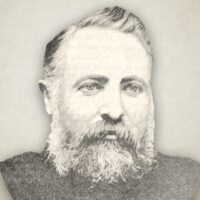
Edwin White (1846-?) was a Strict and Particular Baptist preacher. His first pastorate was with the church meeting at Orphington (1877-1879). After two years, the communion question cropped up, the majority of members deciding to throw the Table open. He forthwith resigned his office. His second pastorate was with the church meeting at Clare, Suffolk (1881-1887). After six years of blessed ministry, he resigned the office due to health reasons. His third pastorate was with the church meeting at Woolwich, Enon Chapel (1891-1919). In 1911 was elected president of the Metropolitan Association of Strict Baptist Churches.