John Gill
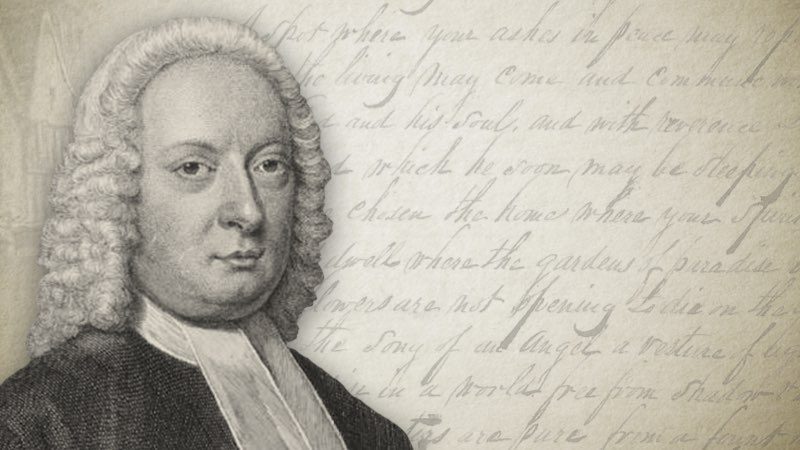
John Gill (1697-1771) was a Strict and Particular Baptist preacher and theologian. He was appointed the Pastor of Goat Yard Chapel, Horsleydown, Southwark, serving this position for fifty-one years. He was the first Baptist to write an exhaustive systematic theology, setting forth High-Calvinistic views and a clear Baptist polity which became the backbone for the churches subscribing to them.
John Gill, (1) Commentary On First Thessalonians (Complete)
John Gill, (2) Commentary On Second Thessalonians (Complete)
John Gill, (3) Commentary On First Corinthians
John Gill, A Biography By George Ella
John Gill, A Lecture By George Ella
John Gill, Doctrinal And Practical Body Of Divinity
John Gill, Extracts
John Gill, Identifying The Biblical Covenants (Complete)
John Gill, The Cause Of God And Truth
-
2 Thessalonians: Chapter 1, Verse 2
“Grace be unto you, and peace, &c.” (See Gill on “Romans 1:7”). “To all that be in Rome, etc..]” These words contain both the inscription of the epistle, and the apostle's usual salutation, as in all his epistles, The inscription of it is not to the Roman emperor; nor to the Roman senate, nor to all the inhabitants in Rome; but to all the saints there, whether rich or poor, bond or free, male or female, Jew or Gentile, without any distinction, being all one in Christ Jesus: and these are described as “beloved of God;” not for any loveliness there was in them, nor because of any love in them to God, nor on account of their obedience and righteousness; but through the free…
-
2 Thessalonians: Chapter 1, Verse 1
“Paul, and Silvanus, and Timotheus, &c.” (See Gill on “1 Thessalonians 1:1”). “Paul, and Silvanus, and Timotheus, etc.” These are the persons concerned in this epistle, and who send their greetings and salutations to this church; Paul was the inspired writer of it, and who is called by his bare name, without any additional epithet to it, as elsewhere in his other epistles; where he is either styled the servant, or apostle, or prisoner of Christ, but here only Paul: the reason for it is variously conjectured; either because he was well known by this church, having been lately with them; or lest these young converts should be offended and stumble at any pompous title, which they might imagine carried an appearance of arrogance…
-
2 Thessalonians: Chapter 1, Introduction (Daily Commentary)
This chapter, besides the inscription and salutation, contains a thanksgiving for the flourishing condition in which the graces of the Spirit were in these saints, and consolation for them under their suffering circumstances. The inscription and salutation are in (2 Thessalonians 1:1,2). And are as usual: the thanksgiving is in (2 Thessalonians 1:3). For the growth of their faith, the abounding of their love, and their constant patience under persecutions and afflictions, insomuch that the apostle also gloried of them for these things among other churches, (2 Thessalonians 1:4). And as an encouragement to them to continue patient under sufferings, he observes that this was a token of the righteous judgment of God, and that they were reckoned worthy of his kingdom for which they…
-
2 Thessalonians: Introduction
This second epistle was written, not from Athens, as the subscription testifies, nor from Rome, as Athanasius supposes; but from Corinth, from whence was sent the former, and where the apostle and Timothy, and Silvanus met; and which was sent about half a year after the other. The design of which is to comfort and support the Thessalonians under the afflictions and persecutions they endured for the sake of the Gospel; and to rectify a mistake they had gone into, and which might be occasioned by what the apostle had said in his former epistle, concerning the second coming of Christ, as though it was just at hand; which might lead them to neglect their worldly business, and duties of civil life, and give the…
-
1 Thessalonians: Subscription
The subscription to this epistle is not genuine, which runs thus, “The first Epistle unto the Thessalonians was written from Athens”; whereas it appears from (1 Thessalonians 3:1,6) compared with (Acts 18:1,5) that it was written from Corinth, and not from Athens; nor are these last words, “from Athens”, in Beza's Claromontane copy; though they stand in the Syriac and Arabic versions of the London Polygot Bible, which add, “and sent by Timothy”, and in the Alexandrian copy, and Complutensian edition.
-
1 Thessalonians: Chapter 5, Verse 28
“The grace of our Lord Jesus Christ be with you, Amen.]” This is the apostle's usual salutation in all his epistles, and the token of the genuineness of them, (2 Thessalonians 3:17,18). (See Gill on “Romans 16:20”), (see Gill on “1 Corinthians 15:23”), (see Gill on “2 Corinthians 13:14”).