-
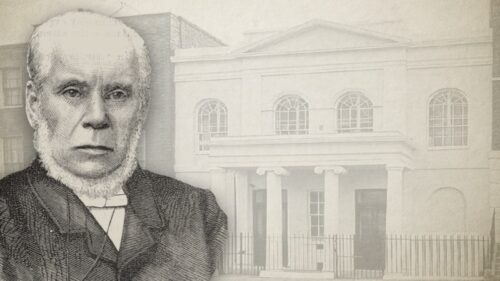
A Biography of John Hazelton, by William Styles (Complete), William Styles, A Memoir Of John Hazelton (Complete)
Chapter 15
How fine has the day been! How bright was the sun! How lovely and joyous the course that he run! Though he rose in a mist when his race he begun, And there followed some droppings of rain: But now the fair traveller conies to the west, His rays are all gold, and his beauties are best; He paints the…
-
Preface
The subject of eldership in Baptist circles has been one of the most misunderstood issues of recent years, with the result that it has become fashionable and even considered orthodox for churches to supplement or replace a single pastor with a team of ‘elders’. I contend this mode of governance is unscriptural, impractical and unconventional. This pamphlet is designed to…
-
An Introduction To Eldership
It is commonplace to hear it staunchly affirmed by preachers that the term elder is one and the same with bishop and pastor; that the term is usually used in the plural, indicating the early churches were overseen by a plurality of elders. Hence, it is argued, if churches today are to reflect the most Scriptural form of governance, then…
-
1. Elders Are Unofficial Leaders Never Elected Or Appointed To An Office
The Biblical term ‘elder’ was based upon the traditional cultural understanding of what the word universally meant. For in every culture and community, elders are the patriarchs and matriarchs of local and extended family units. These elders are never elected or appointed to an office—they merely assume this unofficial role of leadership by virtue of age, wisdom and influence. An…
-
2. The Terms Elder, Bishop And Pastor Are Not Interchangeable
When the term elder is used within Christian circles, it conjures up ideas of ecclesiastical clergy, either elected to office by the congregation, or appointed to office by the denomination. In fact, it is only within Christian churches that the term elder is made to mean something other than persons honored in virtue of their age, wisdom and influence. This…
-
3. Evangelists, Bishops And Deacons Are The Only Permanent Offices Recognized In The New Testament
Ephesians 4:11: “And he gave some, apostles; and some, prophets; and some, evangelists; and some, pastors and teachers;” The apostles and prophets were temporary offices, laying the foundation for both the establishment and edification of Christian churches—apostles were primarily sent to organize new churches; prophets were appointed to nurture existing churches. The evangelists and pastor-teachers are permanent offices carrying out…