-
1. Elders Are Unofficial Leaders Never Elected Or Appointed To An Office
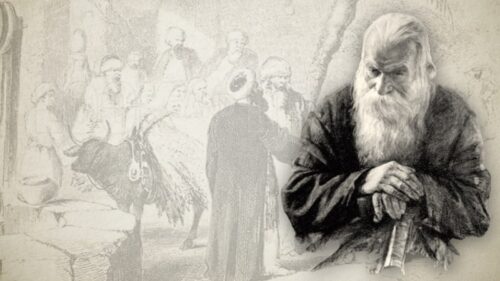
The Biblical term ‘elder’ was based upon the traditional cultural understanding of what the word universally meant. For in every culture and community, elders are the patriarchs and matriarchs of local and extended family units. These elders are never elected or appointed to an office—they merely assume this unofficial role of leadership by virtue of age, wisdom and influence. An…
-
2. The Terms Elder, Bishop And Pastor Are Not Interchangeable
When the term elder is used within Christian circles, it conjures up ideas of ecclesiastical clergy, either elected to office by the congregation, or appointed to office by the denomination. In fact, it is only within Christian churches that the term elder is made to mean something other than persons honored in virtue of their age, wisdom and influence. This…
-
3. Evangelists, Bishops And Deacons Are The Only Permanent Offices Recognized In The New Testament
Ephesians 4:11: “And he gave some, apostles; and some, prophets; and some, evangelists; and some, pastors and teachers;” The apostles and prophets were temporary offices, laying the foundation for both the establishment and edification of Christian churches—apostles were primarily sent to organize new churches; prophets were appointed to nurture existing churches. The evangelists and pastor-teachers are permanent offices carrying out…
-
4. The Church Is Designed After The Model Of The Family Unit, Not The Jewish Synagogue
The Jewish Synagogue was not ordained by God as a religious institution. It came into existence as a result of God’s judgment upon the nation—The divinely instituted temple had been destroyed, the people of God scattered, and in desperation the scattered Jews established tiny groups which became known as synagogues. During the earthly ministry of the Lord Jesus Christ and…
-
5. The Early Churches Were Small And Had No Need For A Set Of Appointed Elders
According to Robert J. Banks, in his book, ‘Paul’s Idea of Community’,[1] the early churches met in the private houses of the well-to-do members: “Whether we are considering the smaller gatherings of only some Christians in a city or the larger meetings involving the whole Christian population, it is in the home of one of the members that EKKLESIA is…
-
6. An Adoption Of Elders Introduces A New Set Of Problems For The Church
Eldership advocates tend to sing the praises of the many benefits a church receives by appointing a plurality of elders. Seldom do they sound the alarm for the serious problems that arise from the appointment. Baptist historian Dr. Kenneth Dix confessed this was the initiating cause which led him to reject plural elderships—he believed too many churches have jumped on…