-
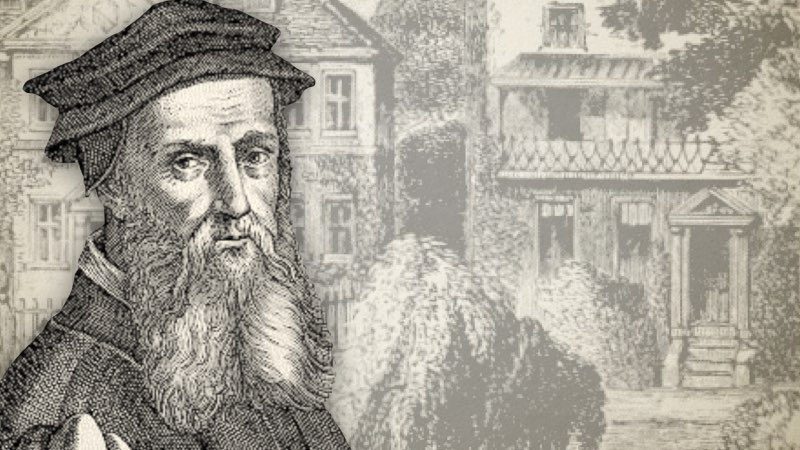
The Life And Ministry Of John Wycliffe
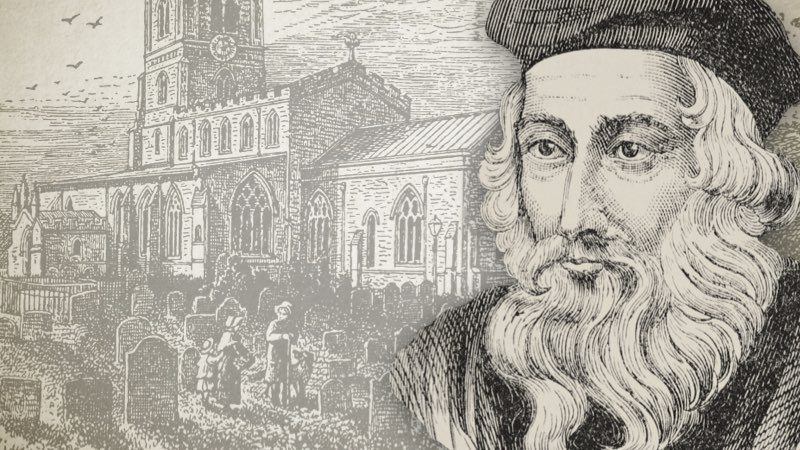
John Wycliffe is rightly called the Morning Star of the Reformation. In God’s Providence, he was the man who inherited the apostolic gospel of salvation in Christ as described in the doctrines of grace. He was elected by God to build on the work of Englishmen such as Greathead and Bradwardine and pass it on to Continental men of God such as John Hus, Jerome of Prague and Martin Luther. Besides this, he laid the exegetical and spiritual foundation for the British Reformation. Indeed, one can say that, in God’s good plan for the sixteenth century Reformation of the Church, all roads lead to the life and works of John Wycliffe. As Wycliffe was more thorough-going than many of his reforming successors, it will benefit…
-
The Life And Ministry Of Martin Bucer
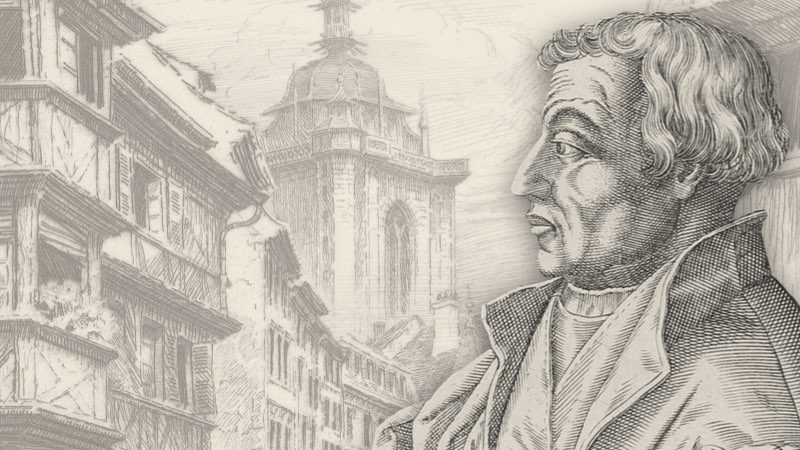
One of the most important Reformation figures was undoubtedly Martin Bucer who was born in Alsatia in 1491 and died at Cambridge in 1551. His status as Reforming leader is emphasised by the way he was treated after his death. When Mary the Bloody came to power in 1553, she imported a band of Italian thugs under their captain Cardinal Pole to symbolise her own triumph over the Reformation. Pole and his henchmen were given the task of holding a mock heresy trial over Bucer’s grave and then pronouncing him guilty. After going through this shameful sham, they dug up the saint’s remains, tied them to a stake, and piled Bucer’s books around his bones. Then they set the morbid scene on fire. Mary, in…
-
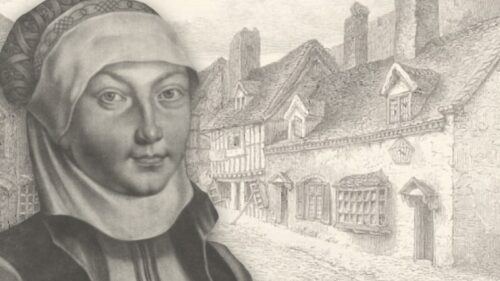
John Bale: A Rough And Ready Reformer Against Polished Papacy
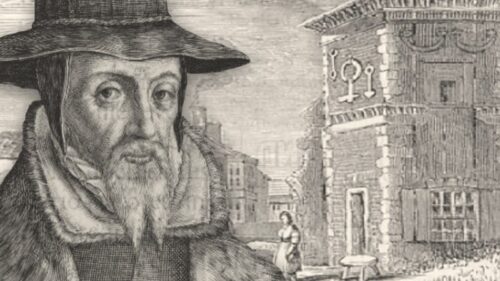
We expect great things of those born with silver spoons in their mouths and encouraged from infancy to climb every social, political and cultural ladder. Those born in great poverty and brought up by public institutions rather than in a cosy family background often give cause for concern regarding their future. Yet, in the year 1495, one of the greatest Reformers ever was born into a very large family of poverty-stricken parents and ragged children in the tiny village of Cove in Suffolk. Indeed, John Bale’s parents, Henry and Margaret could not afford any kind of education for their son and he spent his childhood as a farmhand until his parents, despairing of giving John a livelihood, took him to the Carmelite convent at Norwich…
-
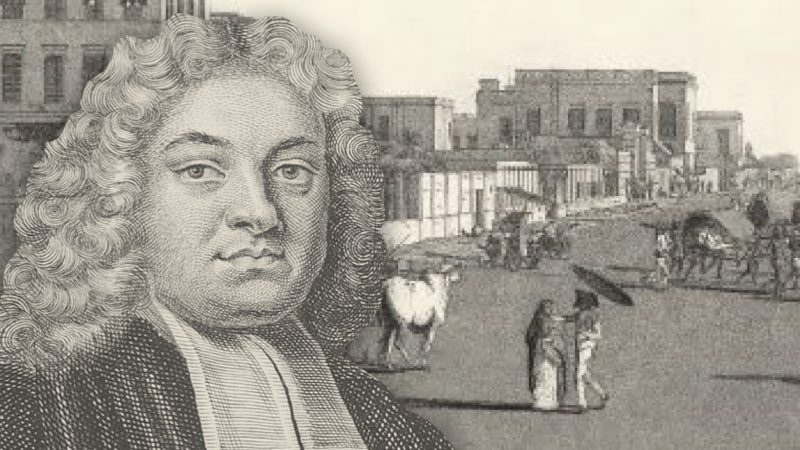
The Life And Ministry Of Bartholomäus Ziegenbalg
One often reads in popular works and even in doctoral theses that Englishman William Carey founded the first Protestant Mission in the non-English speaking world on behalf of the Particular Baptist Missionary Society. Actually, the Baptists were rather late in discovering the world-wide mission field as Lutherans, Church of England and Independent missionary enterprises beat the Baptists by over a century. Great as Carey’s work was, it was built on the pioneering work of Christians of other denominations, in particular that of Bartholomäus Ziegenbalg who was called to India almost a century before Carey. The missionary work Carey undertook in Danish held territory reflected and built on Ziegenbalg’s endeavours and successes which were carried on by Ziegenbalg’s son in Serampore long after Ziegenbalg’s death. Indeed,…
-
Letter Defending William Huntington
Sir: It is understandable that one who identified himself so closely with the English Reformers, Whitfield and the Marrow Men should be criticised by Arminians. For Huntington, Arminians were Antinomians who rejected the condemning and convicting use of the law in evangelism, inviting sinners to approach God “as if they had never apostatized”. They believed that man was not totally fallen but was naturally able to make saving decisions. Huntington preached a full gospel whereas his Fullerite and Wesleyan critics taught respectively that the doctrines of grace were for believers only or to be rejected as ‘the religion of the Turks’. Contrary to adverse criticism that Huntington stood alone, he was supported by a relatively large number of Independent, Anglican and Baptist ministers. Huntington upheld…
-
Robert Oliver And The Twists And Turns Of Historical Revisionism
In July, 1988 an anonymous article appeared in the Banner of Truth magazine, surprising and shocking many readers. It was a fierce attack on the person and testimony of William Huntington, known affectionately as ‘the Immortal Coalheaver’. The article, which followed a similar attack on John Gill by Robert Oliver the previous year, was planned to start off what the BOT calls an ‘important controversy’ to warn readers against the traditional Calvinism of these men. In Huntington’s case (though Gill’s was not dissimilar) the BOT were faced with two difficulties. First, it was obvious that Huntington had the largest congregation in London during the latter part of the 18th century and was the most popular and most read Calvinistic preacher and evangelist of his day.…