John Gill
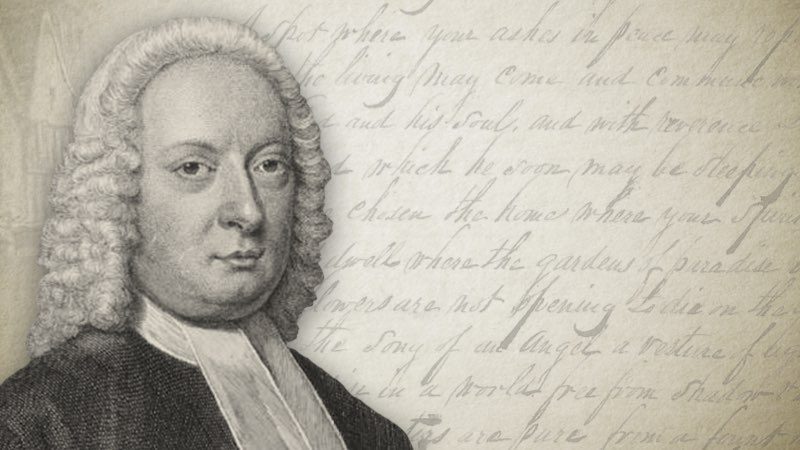
John Gill (1697-1771) was a Strict and Particular Baptist preacher and theologian. He was appointed the Pastor of Goat Yard Chapel, Horsleydown, Southwark, serving this position for fifty-one years. He was the first Baptist to write an exhaustive systematic theology, setting forth High-Calvinistic views and a clear Baptist polity which became the backbone for the churches subscribing to them.
John Gill, (1) Commentary On First Thessalonians (Complete)
John Gill, (2) Commentary On Second Thessalonians (Complete)
John Gill, (3) Commentary On First Corinthians
John Gill, A Biography By George Ella
John Gill, A Lecture By George Ella
John Gill, Doctrinal And Practical Body Of Divinity
John Gill, Extracts
John Gill, Identifying The Biblical Covenants (Complete)
John Gill, The Cause Of God And Truth
-
2 Thessalonians: Chapter 3, Verse 7
“For yourselves know how ye ought to follow us, &c.” The apostle goes on to dissuade from that which denominates persons disorderly walkers, and exposes them to the censure of the church, and that partly by the example of the apostles, and partly by their command. He appeals to them, to their knowledge and judgment, it being a thing well known to them, that they ought to walk as they had the apostles for ensamples; for who should they follow but their spiritual fathers, shepherds, and guides? and especially so far as they were followers of Christ, as they were, in the case referred unto, working with their own hands: “for we behaved not ourselves disorderly among you;” They could appeal to them as witnesses,…
-
2 Thessalonians: Chapter 3, Verse 6
“Now we command you, brethren, &c.” The apostle is now come to the main thing itself he has in view in this part of the epistle, which is to encourage a regard to the discipline of God's house; and to exhort this church to excommunicate, or remove from communion, all disorderly persons; and those who are to do this he points out, and calls upon, and even commands; and these are the fraternity, the “brethren”, the society of believers, all the members of the church; for to them to whom belongs the power of receiving members, to them only belongs the power of excluding offenders: the executive power lies in the hands of the elders or pastors of churches; they are the persons by whom…
-
2 Thessalonians: Chapter 3, Verse 5
“And the Lord direct your hearts into the love of God, &c.” By which may be meant either the love with which God is loved. This is the sum and substance of the first and chief commandment in the law, and is what every man in a state of nature is destitute of; it is implanted in the heart in regeneration, and is a fruit of the Spirit of God; and where it is it oftentimes grows cold, and needs to be stirred up and reinflamed, by the Spirit of God, which may be intended, by a directing of the heart into it, that is, to a lively exercise of it: or else the love with which God loves his people is designed, which is…
-
2 Thessalonians: Chapter 3, Verse 4
“And we have confidence in the Lord touching you, &c.” The ground of confidence concerning them was not in themselves, in their grace, and strength, and wisdom, and conduct, and good behaviour; but in the Lord, in his grace and strength, and in the power of his might, without whom they could do nothing, but through him strengthening them, could do all things. “That ye both do, and will do the things which we command you;” Referring both to the commandments, which they had already given them by Christ, and they had showed, and continued to show a proper regard unto, (see 1 Thessalonians 4:1,2) and also to what would be observed to them, as in (2 Thessalonians 3:6,12).
-
2 Thessalonians: Chapter 3, Verse 3
“But the Lord is faithful, &c.” Or “God” as the Vulgate Latin and Ethiopic versions read, as do also the Alexandrian and Claromontane copies. This is said for the comfort of the saints, lest they should be discouraged upon hearing that all professors of faith in Christ had it not, who might be ready to take it to themselves, and fear, that either they had it not, or if they had, that they might lose it, and fall from it. Wherefore the apostle observes to them the comfortable attribute of God's faithfulness, which he will not suffer to fail. He has promised many things, and he is faithful that has promised, who also will do them, nor will any good thing he has promised ever…
-
2 Thessalonians: Chapter 3, Verse 2
“And that we may be delivered from unreasonable and wicked men, &c.” Either from the unbelieving Jews, (see Romans 15:30,31) who were the avowed enemies of the Gospel, and did all they could to hinder the spread of it; and who were the implacable and constant adversaries of the apostle; who often lay in wait for him, and opposed him, and gave him trouble in all places, stirring up the people against him: or from the false teachers, and those of their party, who are the false brethren by whom he often was in perils; who were enemies of the cross of Christ, and great hindrances to the spread of the Gospel; being men of absurd principles, and of wicked lives and conversations, whereby they…