-
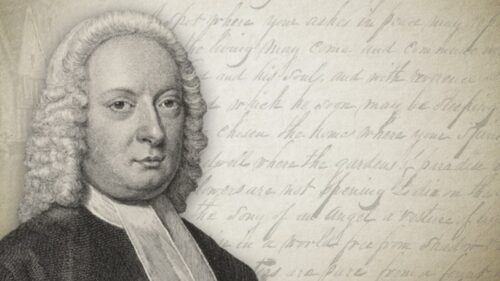
1 Corinthians: Chapter 1, Verse 20
“Where is the wise? where is the Scribe? etc.]” These are the apostle’s own words; though he may allude to (Isaiah 33:18) where there are some phrases much like these, but the meaning is very different. Though they are interpreted by the Talmudists in a sense pretty near the apostle’s; for thus they remark upon them, “where is the Scribe?…
-
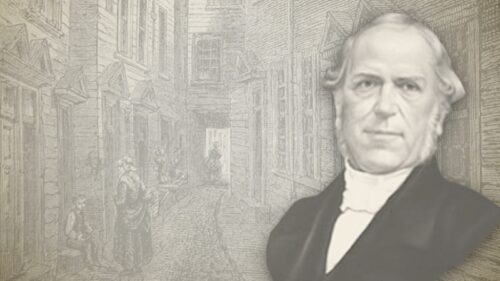
Chapter 11—On Communion, Answering The Charge Of Schismatic Communion
On this subject I shall say but little in reply to your letter, compared to what I have said on baptism; because the very same authority required of you for infant sprinkling, is now required of you for any other communion whatever at the Lord's table, than that of persons previously baptized, on their own personal profession of repentance towards…
-
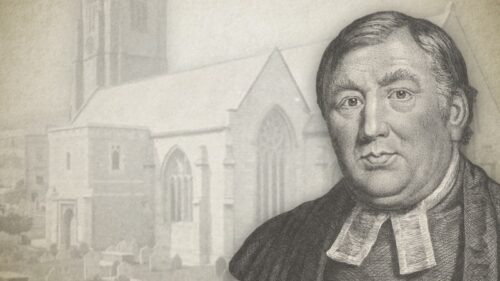
Book 2: Chapter 11, The Difference Between The Two Testaments
This chapter consists principally of three parts. I. Five points of difference between the Old and the New Testament, sec. 1–11. II. The last of these points being, that the Old Testament belonged to the Jews only, whereas the New Testament belongs to all; the calling of the Gentiles is shortly considered, sec. 12. III. A reply to two objections…
-
Unto Us
-
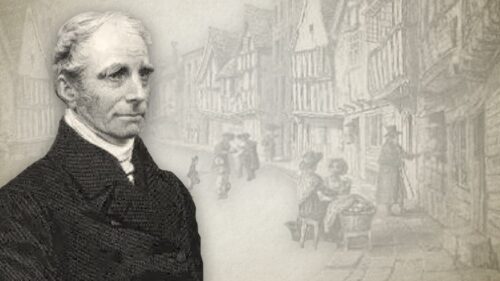
April 12—Morning Devotion
"And about the ninth hour Jesus cried with a loud voice, saying, Eli, Eli, lama sabacthani; that is to say, My God, my God, why hast thou forsaken me?"—Matthew 27:46 Mark, my soul! Jesus had hung upon the cross now for six hours. Think what agonies he sustained both in soul and body. The fury of hell had broke out…
-
190 Amyraldism
AMYRALDISM A name given by some writers to the doctrine of universal grace, as explained and asserted by Amyraldus or Moses. Amyrault, and others, his followers, among the reformed in France, towards the middle of the seventeenth century. This doctrine principally consisted of the following particulars, viz. that God desires the happiness of all men, and none are excluded by…