-
Hyper-Calvinism: Defined By A Hyper-Calvinist
The Baptist Particular Vodcast serves as an analysis of Particular Baptist history and theology from a Hyper-Calvinist point of view. This Episode: How does one define Hyper-Calvinism? While there are modern and free-lancing definitions, there is also a historic definition which serves as the goal post for the label. In this episode, Jared Smith traces the historical and doctrinal developments from John Calvin during the 16th century to the tenets of Hyper-Calvinism during the 18th century.
-
Spirituality, Unity, Concord
Brethren,—I thank you for the honour you have once more conferred upon me in calling me to this position as your President. May this year of office prove one of great spiritual blessing and increase in all our Churches, is our earnest prayer. We wait with expectant hearts before our Father's throne for the outpouriug of His Divine favour, and I feel sure we shall not wait in vain. The record of His past blessings given encourage us, our deep, pressing needs compel us to cry mightily unto Him for help now.
-
John Gill By George Ella
Speaks for itself. I no longer read many books and am very selective as to what I will read. And moreover, because the Preacher was wise, he still taught the people knowledge; yes, he pondered and sought out and set in order many proverbs. 10The Preacher sought to find acceptable words; and what was written was upright words of truth. 11The words of the wise are like goads, and the words of scholars are like well-driven nails, given by one Shepherd. 12And further, my son, be admonished by these. Of making many books there is no end, and much study is wearisome to the flesh.
-
The Life And Ministry Of Benjamin Walshaw
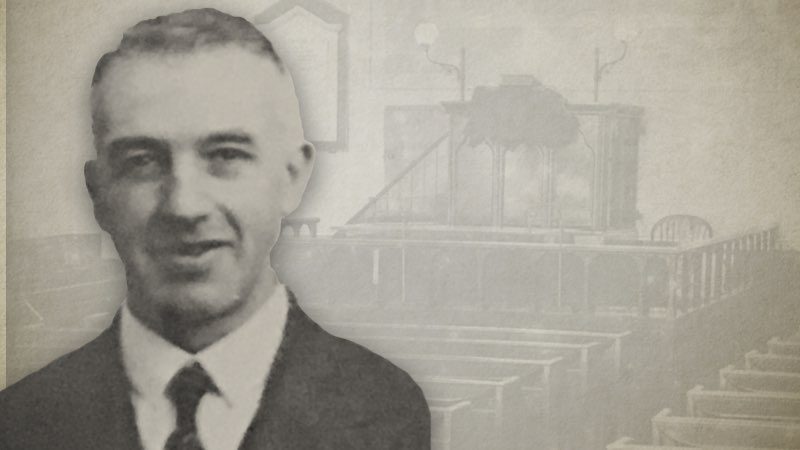
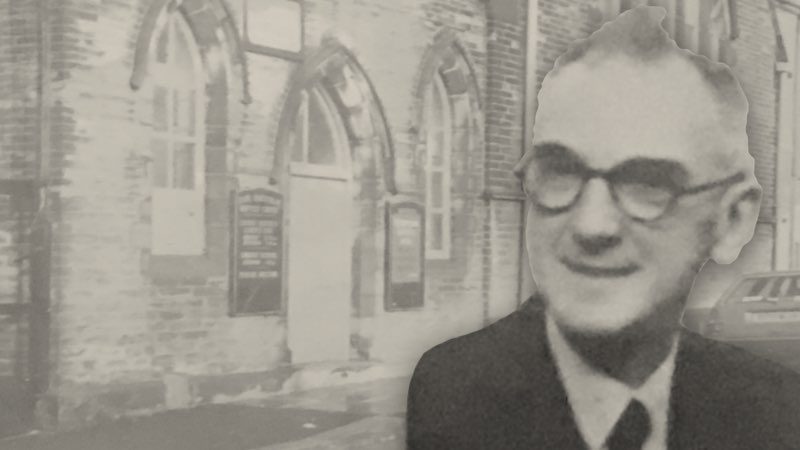
Benjamin Walshaw, Pastor At Zoar Chapel, Bradford, For Twenty-Five Years, Died On March 19th, 1984, Aged 85. In the previous month, he had preached one Lord's day under particularly trying circumstances. He had expected to be a hearer, but on the Saturday was informed that the minister who had been expected was unable to fulfil the engagement through illness. On the Sabbath it was found that the heating system at the chapel had failed, so that all present were thoroughly chilled.
-
The Life And Ministry Of Griffiths Vaughan
William Bailey Griffiths Vaughan died on 26th January. From his own writings the following paragraphs are extracted:— "Brought up under the truth at Zoar Chapel, Bradford, Yorks, I was from early youth accustomed to hear the faithful proclamation of the gospel, which my carnal nature often resented and upon which its enmity often sat in judgment. In about my seventeenth year, the sudden affliction of my dear father brought me to my knees for the first time in earnest prayer in felt helplessness."
-
The Life And Testimony Of Lena Vaughan
Lena Vaughan, a member at Zoar Chapel, Bradford, died on 15th November, 1974, and was buried at Harpenden on the 20th November in sure and certain hope of a glorious resurrection. She was married to the late Mr. W. B. Griffiths Vaughan at Gower Street Chapel on 30th May, 1921, by Mr. John Booth. She came to Bradford after responding to that great question "Wilt thou go with this man?” and she said, "I will go." It is true that she had responded to that same question in 1911 in respect to her union with the church's living Head.