-
The Life And Death Of George Isbell
Died. At Bath, on March 6th, aged 45, deeply regretted by his attached congregation, MR. G. S. B. Isbell, minister of the gospel at Bethesda Chapel, Bath, after an illness of about four weeks. On Lord's Day evening, February 5th, he spoke from the words, "Behold the Lamb of God,” with much unction, but with evident difficulty from illness. He went from the pulpit to his bed-room, which he never after left. Ulceration of the tongue and throat set in, and increased till danger was anticipated. On Lord's Day evening, March 4th, the bowels were attacked, which ended in mortification. His agony was great. He said, "The great struggle is now begun." Large doses of opium, by the advice of the medical attendant, were administered,…
-
37 An Examination Of Gill’s Goat Yard Declaration Of Faith (1729)
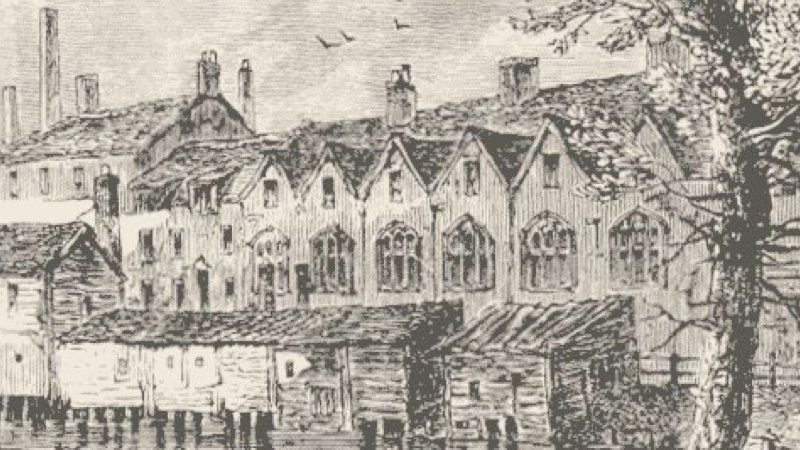
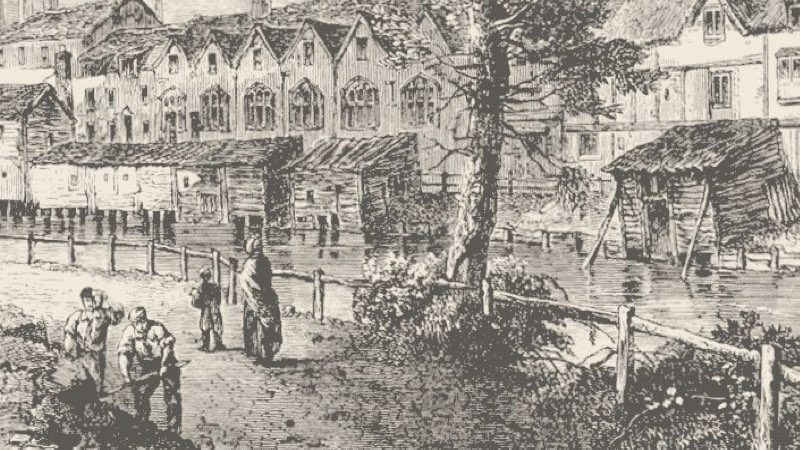
I would like to welcome you back to another study in Bible Doctrine. In our previous study, I laid out for you a historic backdrop to Gill’s Goat Yard Declaration. For this study, I would like to look at the document itself. However, it seems appropriate, given the fact that the Declaration was designed for a single congregation, that we first take a look at that congregation, to gain a bird’s eye view of its history and doctrinal positions. The Goat Yard Declaration was named after the church for which it was drawn up. It was known as the church meeting at Goat’s Yard Passage, on Fair Street, in Horsley-Down, Southwark, and they met in the Goat’s Yard Chapel. The origin of the church may…
-
Mr. Huntington’s Dying Testimony To The Power Of Vital Godliness
Dear Brother in the Lord Jesus Christ,—I am come at last, according to my promise, which ought to have been fulfilled before. But, alas! I have sometimes leisure upon my hands, but no heart to work; no oil in my cruse, no spring in my well, no overflowings in my cup. At other times the wind blows, the spices flow out, and the spring of divine life rises; when perhaps I want leisure. And sometimes the poor tabernacle is weary or infirm, when much study becomes a weariness to the flesh. Never right, dear Joseph, nor can be; something will ever be out of joint, off the hooks, impaired, or displaced; something wanted, some thing missing, something deficient; until that blessed period arrives when we…
-
The Life And Testimony Of William Taylor
My dear Sir,—Agreeably to your desire I have enclosed a brief account of the peaceful departure of Mr. William Taylor, whom I have known for many years. He was an industrious mechanic, one that was but little noticed or known, but a most exemplary disciple of the Lord Jesus Christ. Some pleasing traits of his character as a Christian may be gathered from the closing scene of his pilgrimage hereto annexed. Moreover, he was a member of the church under the pastoral care of the late revered Mr. Huntington, and continued to attend on his ministry to the end of his labours, soon after which, by reason of deafness, he was prevented from attending upon the public ordinances with us. This defect of hearing, with…
-
The Life And Testimony Of E. Floyd
As we have been earnestly requested to insert the following memorial without alteration or mutilation, we have consented to do so. Though this so far relieves us from the responsibility of approving of every expression, it does not preclude the declaration of our feeling that we should much prefer the omission of what is said about the Church of England Burial Service. We fully admit, as, indeed, all must, the great beauty and solemnity of that service, but after all, it is but a form, and its miserable prostitution, as read over all indiscriminately, whether they died in Christ or died in their sins, must shock every Christian heart, and has not only grieved hundreds of conscientious clergymen, but has driven many to secede altogether…
-
The Life And Ministry Of Matthew Anderson
Matthew Anderson was a collier, and, like all Adam's posterity, a carnal person, an enemy to God and all his ways and word. He was a card-player, a gambler, and addicted to all manner of open sin, when it pleased God to convince him that he was a sinner. He then sought to escape the consequences of his sins by joining the Wesleyan Methodists, amongst whom he remained for forty years; and whilst he felt himself a great sinner, and sin a heavy burden, he used to wander in the fields and the woods, seeking of the Lord to grant him perfection in the flesh; but was still truly miserable; and although he used to lay the Bible open and on his knees cry for…