-
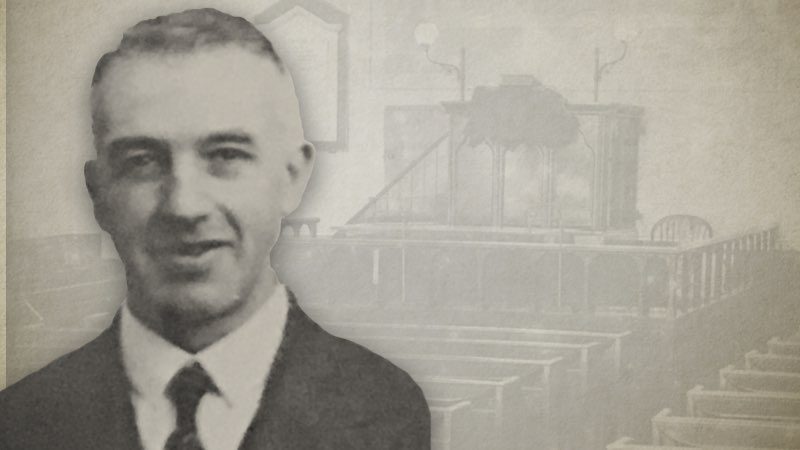
The Life And Ministry Of Benjamin Walshaw
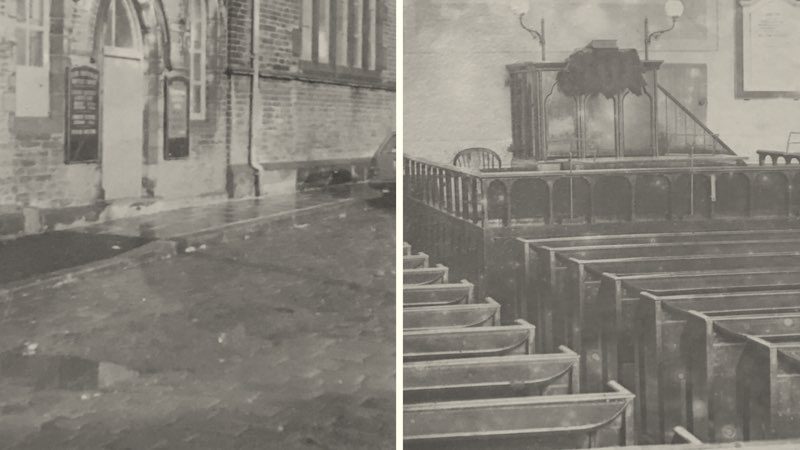
Benjamin Walshaw, Pastor At Zoar Chapel, Bradford, For Twenty-Five Years, Died On March 19th, 1984, Aged 85. In the previous month, he had preached one Lord's day under particularly trying circumstances. He had expected to be a hearer, but on the Saturday was informed that the minister who had been expected was unable to fulfil the engagement through illness. On the Sabbath it was found that the heating system at the chapel had failed, so that all present were thoroughly chilled.
-
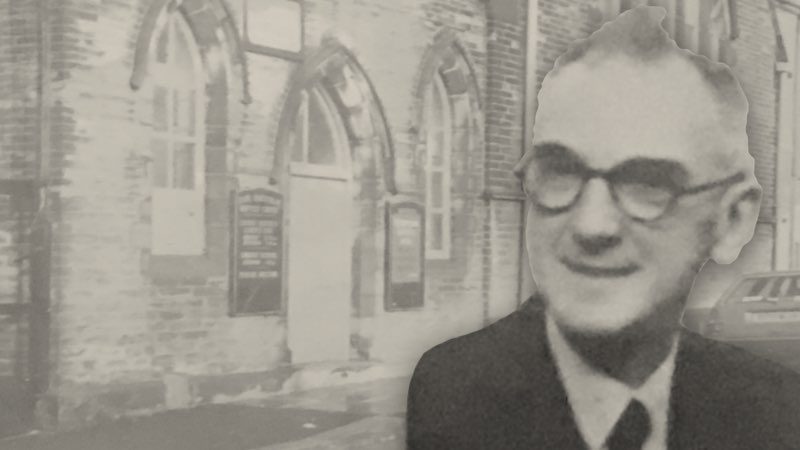
The Life And Ministry Of Griffiths Vaughan
William Bailey Griffiths Vaughan died on 26th January. From his own writings the following paragraphs are extracted:— "Brought up under the truth at Zoar Chapel, Bradford, Yorks, I was from early youth accustomed to hear the faithful proclamation of the gospel, which my carnal nature often resented and upon which its enmity often sat in judgment. In about my seventeenth year, the sudden affliction of my dear father brought me to my knees for the first time in earnest prayer in felt helplessness."
-
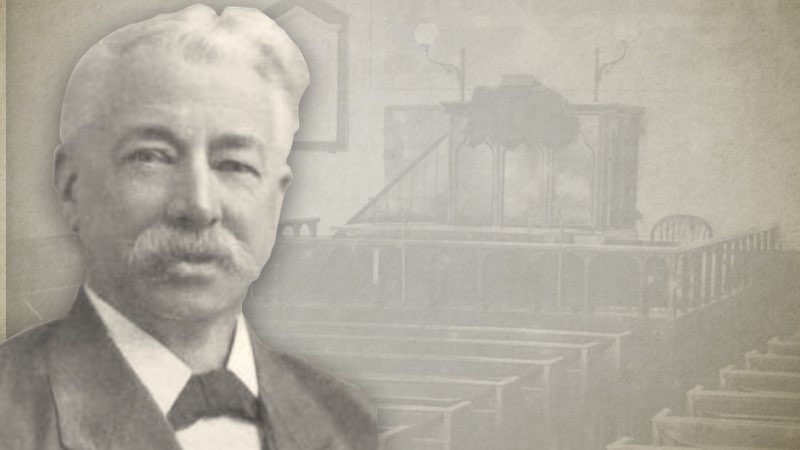
The Life And Death Of John Booth
Mr. John Booth, for 30 years pastor of Zoar Particular Baptist chapel, Bradford, Yorkshire. John Booth was born of humble parentage at Thurlestone, a moorland village near Penistone, Yorkshire, on October 19, 1861. Lacking the privileges of even elementary education he worked in a factory, but applied himself to mastering the rudiments of education in his leisure hour.
Further Study
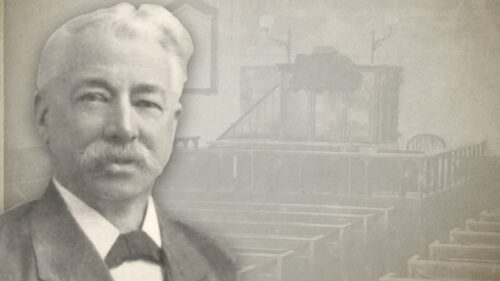
The Life And Legacy Of John Booth
-
The Life And Legacy Of John Booth
“With mingled feelings of pleasure and sorrow I accede to the request to write a short Foreword to the memoir of the life of my late beloved and esteemed friend. His removal is a great personal loss to me, having walked in loving friendship with him for about thirty years. Unbroken fellowship is a choice and rare privilege in these days when misunderstanding too often sadly mars our communion.
Further Study
The Life And Death Of John Booth
-
The Life And Death Of William Vaughan
He was born in Shropshire in the year 1811, and at the early age of four was the subject of divine impressions which never left him. From early life a work of grace was begun and carried on in his soul, as will be seen in the account written by himself, which will shortly be published, together with Mr. A. B. Taylor's address at the chapel at Bradford on the day of the funeral; also a funeral sermon preached by myself on the following Sunday morning.
-
The Life And Ministry Of Samuel Richardson
It is probable from his name being signed with that of Mr. Spilsbury’s to the “Confession of Faith” that he was his colleague. He published a Pamphlet in reply to Dr. Featly’s virulent work against the Baptists. This consists of 18 quarto pages, and is entitled, “Some brief considerations on Doctor Featly his Book, intituled, The Dipper Dipt, wherein, in some measure, is discovered his many great and false accusations of divers persons, commonly called Anabaptists, with an Answer to them, and some brief reasons for their practices.”