-
Book Review: Robert Oliver’s “History Of The English Calvinistic Baptists”
This book is based on Robert Oliver’s 1985 doctoral dissertation. His title is misleading. It is not a history of the English Calvinistic Baptists but, as Michael Haykin’s Foreword explains, an analysis of controversies regarding communion, the use of the law and the so-called free offer. These are discussed at an inter-denominational level with chapter-long references to Non-Baptist William Huntington, set up as the arch-contender against Dr Oliver’s modernistic Emergence Theology.
-
Isaac McCoy: Apostle Of The Western Trail
George Ella delivered this lecture on Isaac McCoy on 18 November 2002, at the home of Michael Lyman in Minneapolis, USA.
-
William Cowper: The Man Of God’s Stamp
George Ella delivered this lecture on William Cowper on 15 November 2002, at the home of Michael Lyman in Minneapolis, USA.
-
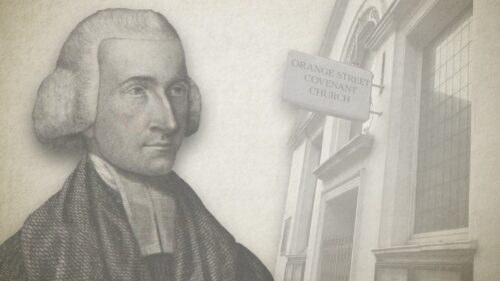
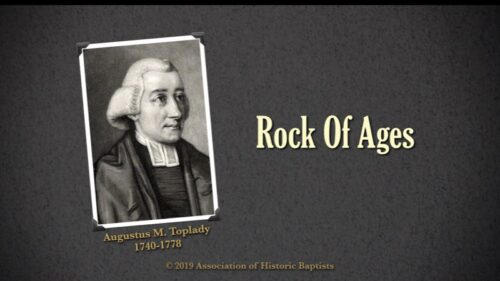
Augustus Toplady: A Debtor To Mercy Alone
George Ella delivered this lecture on Augustus Toplady on 20 November 2002, at the home of Michael Lyman in Minneapolis, USA.
-
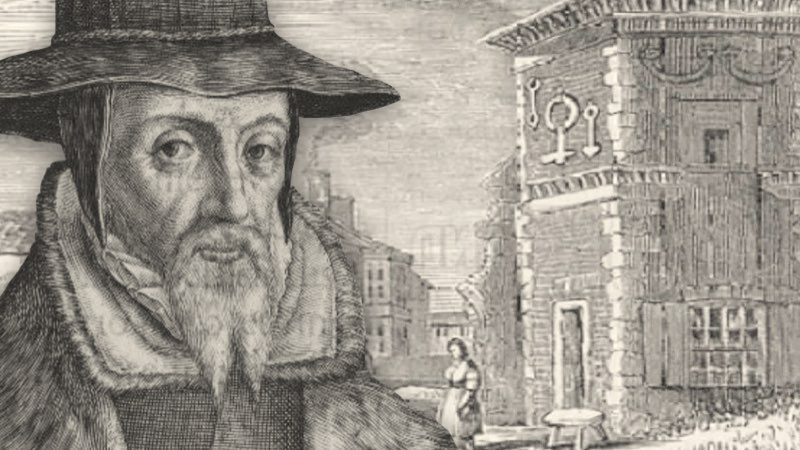
John Foxe (1517-1587): The Acts and Monuments Of The Church
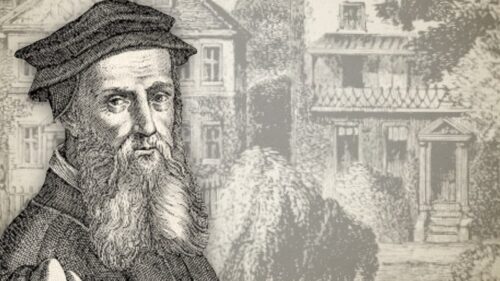
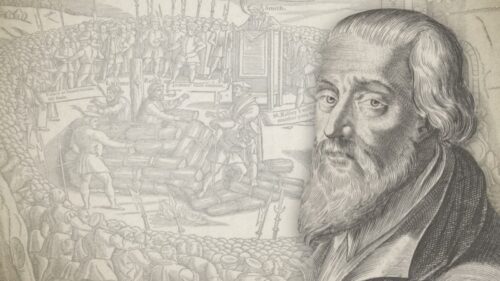
Born at the birth of the Continental Reformation, one of the most illustrious figures in the English and Continental Reformation is that of John Foxe, the martyrologist. Few Reformers had his overall grasp of Biblical theology and church history and few were as all-round as he in applying Christian virtues to every sphere of everyday life. Foxe was born in Boston, Lincolnshire in 1517, the very year that Luther nailed up his ninety-five theses to the door of Wittenberg’s Schlosskirche. We know little of his family background apart from the fact that his father died when he was an infant and his mother soon remarried. Foxe was tutored by his step-father until he entered Brazennose College, Oxford at the age of sixteen. At this time,…
-
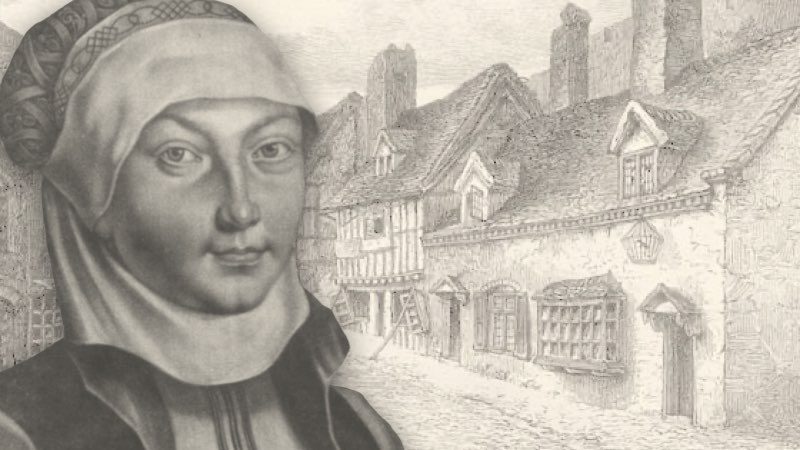
Katharina Luther (1499-1552): The Morning Star Of Wittenberg
They say that behind every successful man there is a woman; the point being that the man would have been less a man without his wife. This piece of earthly wisdom is rarely applied to Martin Luther. The German Reformer is invariably depicted as “The Monk Who Changed the World”; the idea being that ingredients of Reform are to be found in cloistered, celibate seclusion. Such a conception might suit Rome but it is foreign to Biblical thinking. The alarming fact is that Luther’s critics, of whatever category, often appear to be blissfully unaware that Luther did his best work as a happily married man. Nick-names often reveal traces of character hidden by lexical nomenclature. Any student of Luther needs to notice how he addressed…