-
A Review: “Infant Baptism Demonstrated To Be Reasonable, Historical And Scriptural”, By James Malcom
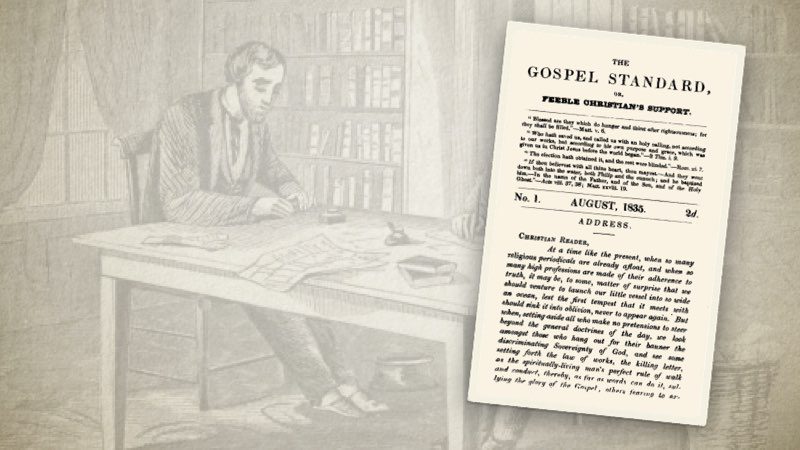
MR. MALCOLM comes before his readers fully persuaded in his own mind that he has swept the ground from under the feet of the poor Baptist at last, and left him prostrate on the earth. But why all this determined opposition to a plain truth? Why so much zeal and warmth is there manifested in an old and oft-exploded argument? The whole strength of the arguments brought forward in the work before us is the old, erroneous idea that baptism came in the room of circumcision.
-
AHB Worship Services, Jared Smith's Online Worship Services, Jared Smith's Sermons, Jared Smith's Studies In Genesis
Baptism And The Covenants
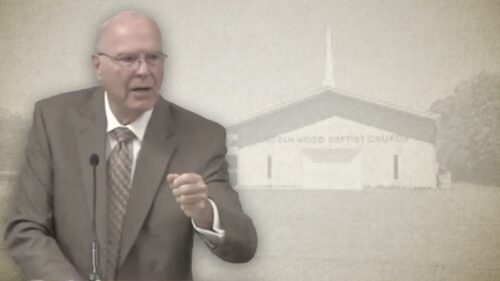
Those who practice infant baptism, within the tradition of Reformed Theology, do so upon the basis of their covenantal framework. However, there is more than one way to understand the arrangement of the biblical covenants. In this study, we examine several different arrangements, some of which support the biblical teaching of believers baptism.
-
17 Infant Baptism
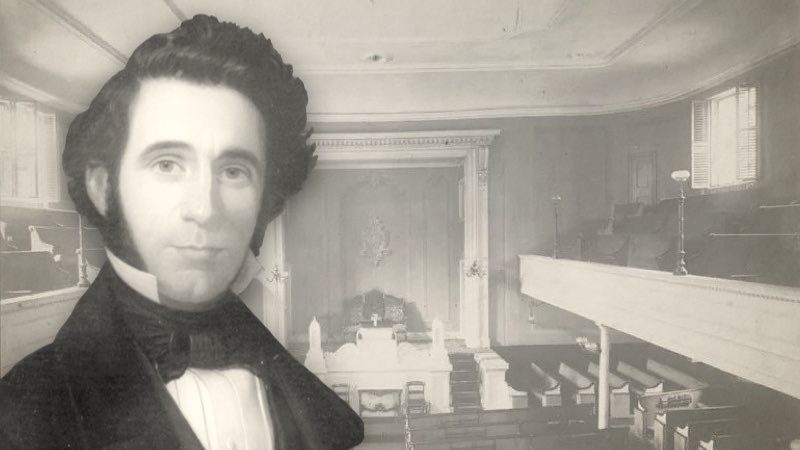
The baptism of unconverted children and unconscious infants has become common through the Christian world. The Romish Church, the Greek Church, and most of the Protestant churches practise it. Yet Baptists condemn it as unscriptural, unreasonable and pernicious. They believe that repentance and faith should always precede baptism. Without these baptism has no significancy, and serves no religious purpose. Whenever these gracious exercises have been experienced, whether in young or old, the subject may be admitted to the holy ordinance of baptism. But never till he has believed. Infants incapable of faith are, therefore, unfit for baptism. Manifest Propositions. Baptists make and defend the following propositions respecting this practice: Prop. 1.—That there is in the New Testament neither precept nor example found to authorize or…
-
Article 20 – Baptism Should Be Preceded By Confession
Articles Of The Faith And Order Of A Primitive Or Strict And Particular Baptist Church Of The Lord Jesus Christ, Based On The Declaration Of Faith And Practice Of John Gill, D. D., 1720 XIX. Baptism, its Subjects, Method and Significance. We believe that Baptism consists of the immersion in water of the whole persons of professed believers,[1] “ in the name of the Father, and of the Son, and of the Holy Ghost”[2] and sets forth our identity with Christ Jesus in His death and resurrection; the necessity of the new birth ere we can be vitally associated with the true church of the Lord Jesus; and the cleansing of sin by His precious blood.[3] ------------------------------- (1) Matt 3:6,16; Jn 3:23; Acts 8:36-38 (2)…
-
Article 19 – Baptism, Its Subjects, Method And Significance
Articles Of The Faith And Order Of A Primitive Or Strict And Particular Baptist Church Of The Lord Jesus Christ, Based On The Declaration Of Faith And Practice Of John Gill, D. D., 1720 XIX. Baptism, its Subjects, Method and Significance. We believe that Baptism consists of the immersion in water of the whole persons of professed believers,[1] “ in the name of the Father, and of the Son, and of the Holy Ghost”[2] and sets forth our identity with Christ Jesus in His death and resurrection; the necessity of the new birth ere we can be vitally associated with the true church of the Lord Jesus; and the cleansing of sin by His precious blood.[3] ------------------------------- (1) Matt 3:6,16; Jn 3:23; Acts 8:36-38 (2)…
-
Article 18 – The Two Ordinances
Articles Of The Faith And Order Of A Primitive Or Strict And Particular Baptist Church Of The Lord Jesus Christ, Based On The Declaration Of Faith And Practice Of John Gill, D. D., 1720 XVIII. The Two Ordinances. We believe that Baptism and the Lord’s Supper are the only two symbolical ordinances enjoined in the Gospel; all other ritualistic forms and ceremonies being disallowed and forbidden by the Word of God. ------------------------------- Mal 3:7; Matt 5:19; 15:9; 28:20; Col 2:20-23, read verse 20, “are ye subject to (humanly devised and unscriptural) ordinances”? Annotations: Sacramentalists and Evangelicals. Note 1.—It is customary to divide Christendom into Protestant and Catholic. It were better to divide it into the Evangelical and the Sacramental sections. These are sharply distinguished by…