-
The Free Offer Of The Gospel
The free offer of the gospel is not only a presumptuous act on the part of the preacher, it also contradicts the nature of the gospel, setting forth a false message to unregenerate sinners. While it is a good tool for proselyting, it is a disgraceful tactic for evangelism. There is a vast difference between preaching and offering. The scriptures make clear the gospel is to be freely preached, but there is not a single reference it is to be offered. Hyper Calvinists are often accused of preaching the gospel only to the elect. This is not true. Hyper Calvinists preach a full and free gospel to everyone. They do not, however, presumptuously offer the gospel to anyone. The gospel is God's to give (through…
-
1891 Inaugural Address To The Metropolitan Association Of Strict Baptist Churches
Inaugural Address To The Churches, Delivered At The Annual Meeting Of The Metropolitan Association Of Strict Baptist Churches, March 10th, 1891, By The President, Mr. W. K. Squirrell, Pastor Of Hill Street, Dorset Square, Marylebone. “Go in this thy might.”—Judges 6:14 Dear Brethren,—next to my call by grace, I feel it is my highest privilege to belong to the Strict and Particular Baptist Denomination; a denomination that, amidst all the tendency of the times towards indefiniteness, and the hollow cries of spurious charity, abides by the truth of God, and adheres to New Testament order of Church government. Thank God, dear brethren, we believe something, and that something is increasingly dear to us as our rule of faith and practice, "For the mouth of the…
-
The Nature And Design Of Gospel Invitations
The occasion of the following Sermon having been preached, and of its being now published to the world, is as follows. An association of Baptist Ministers in London, maintaining the distinguishing doctrines of the Gospel, are in the habit of meeting together once in three months, at each other's places of worship, for their mutual edification, and to promote union among their respective Churches; after which, a sermon is preached, on a previously appointed subject. Being one of that Association, I was at our meeting in June last, chosen the Lecturer for the next occasion, and the subject assigned me was, “The nature and design of the invitations of the Gospel." Accordingly on the 22nd of September, 1835, being through the kind providence of God,…
Further Study
The Testimony Of A Penitent Sinner
-
A Blow Struck At The Root Of Fullerism
The following letter originated in a conversation upon Mr. Fuller’s sentiment, viz. “faith the duty of the unconverted,” between the writer and the gentleman to whom it is addressed, in which this question was put, by the former, to the latter. Is the peculiar faith of God’s elect, or the faith of the operation of God, a duty of the moral law? It has long appeared to me, that this question is the grand hinge upon which the controversy between Mr. Fuller, and others, about faith, turns; and that, upon this ground, the Fullerian system must stand or fall; must be fully established, or eternally demolished. Some argue against Mr. Fuller’s notion, from man’s inability, concluding, that the faith in dispute cannot be the natural…
Further Study
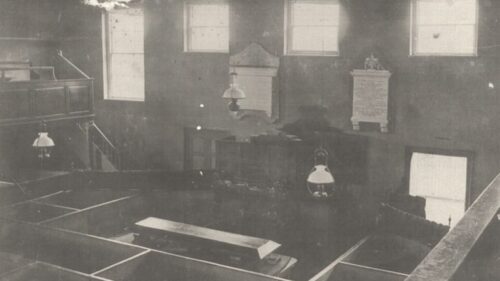
The Life And Ministry Of Job Hupton
-
A Specimen Of Hercules Collins’ Teachings
The Reformed Baptists are under the impression they represent the teachings of the 17th century Particular Baptists (17th PB’s). They believe the 17th PB’s were Moderate-Calvinists. During the 18th century, there arose a new generation of preachers who deviated from their forefathers, running to the extremes of Hyper-Calvinism. These hyper teachings killed evangelism which in turn suffocated the churches. To the rescue came Andrew Fuller, who in the latter part of the century restored the Particular Baptists to their former glory. Evangelism was reintroduced and churches could breathe again. As you might expect, the Hyper-Calvinists believe this to be a false narrative. However, you probably have seldom, if ever, heard their side of the story. I will present it from my perspective (as a Hyper-Calvinist).
-
Notes On “Fullerism”
A main error of Mr. Fuller—and perhaps it was that in which his system, and the arguments by which he defended it, originated—consisted in the excessive and anti-scriptural ideas he formed of the accountableness of man. He attached obligations to him as a free agent, which, in fact, never devolved upon him by any law of his Creator, and invested him with a responsibility for talents which he never possessed. Because man is naturally obliged as a creature to love and obey God, according to the extensive purity and requirements of the Divine law, be maintained that the same reason in which his natural obligation as a creature was founded obliged him also, as a sinner, to believe in the Lord Jesus Christ for salvation…
Further Study
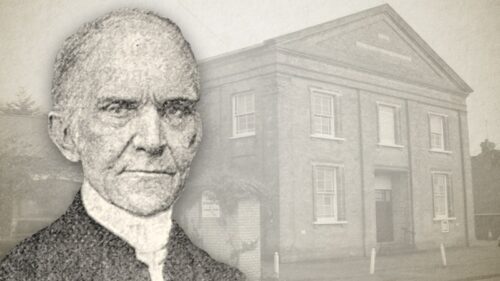
The Life And Ministry Of George Wright