-
Introduction
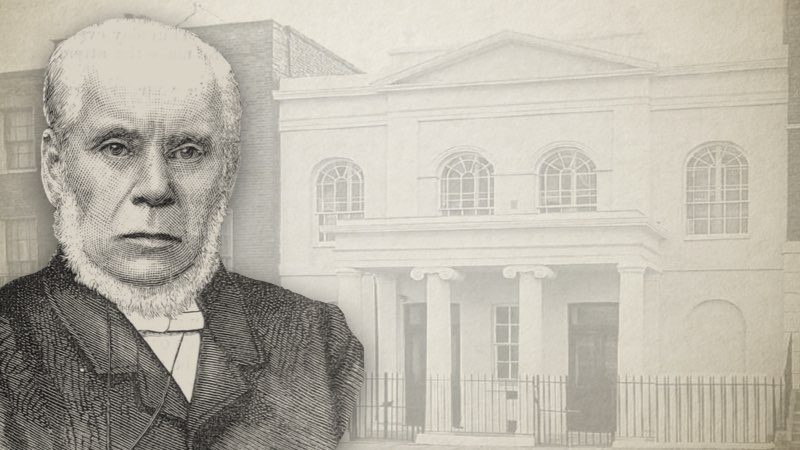
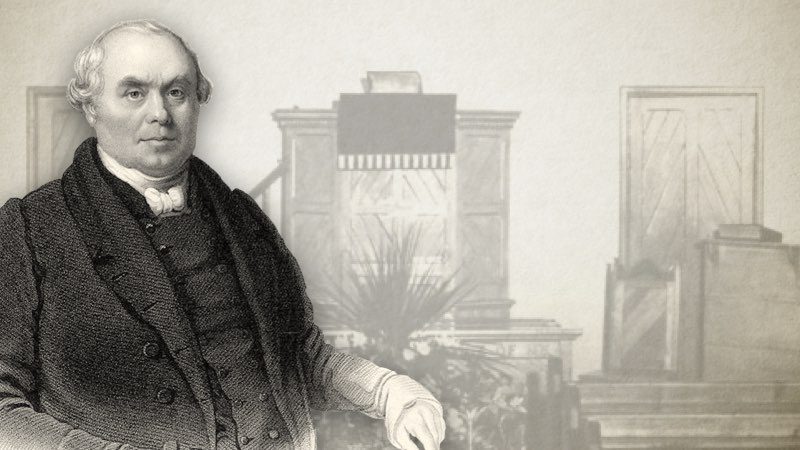
John Hazelton[1] (1822-1888) was a high-calvinist and strict-communion Baptist pastor[2], whose 35 year ministry with the church meeting at Chadwell Street, London, resulted in a congregation that became one of the leading Strict Baptist (SB) churches during the first fifty years of the 20th century. Like most SB’s, Hazelton stood aloof from the ministry of Charles Spurgeon. In many respects, Spurgeon may be regarded as the father of the Reformed Baptist movement—he espoused many of the features that identify this new breed of brethren. Although many Reformed Baptists trace their lineage to the SB’s, this is an illegitimate link. As the sermons of Hazelton will illustrate, the SB’s were unsympathetic to the heretical teachings of Andrew Fuller. Indeed, the SB’s stood with the doctrines espoused…
-
Two Or Three Covenants?
One of the reasons many Reformed believers assert it is the duty of all sinners to savingly believe on Christ is because they distinguish between the covenant of redemption and the covenant of grace. They believe the covenant of redemption was made between the Father, the Son and the Spirit from eternity, whereas the covenant of grace is made between Jehovah and the sinner in time. They view the covenant of redemption as existing in the background of God’s plan for the ages, whereas the covenant of grace is set in the foreground of man’s responsibility for today. R. C. Sproul outlined this view in his book, “What Is Reformed Theology”. He explained Reformed Theology is primarily concerned with three major covenants—the covenant of redemption,…
-
5. The Atonement Of Christ Is Sufficient In Its Worth To Save The Non-Elect?
John Piper subscribes to the view that the atonement of Christ is sufficient in its worth to save the non-elect, but efficient in its application to save only those who believe. This gobbledygook is derived from the teachings of Andrew Fuller, who sought to retain the free offer of the gospel, while subscribing to the doctrine of Particular Redemption. To that end, Fuller argued that the atonement of Christ is universal in its value, capable of covering the sins of the entire human race (elect and non-elect). He also maintained that the atonement is particular in its application, covering only the sins of those who savingly believe on Christ. In this way, Fuller could sincerely offer the gospel to the non-elect, for he believed…
-
6. It Is The Moral Duty Of All Sinners To Savingly Believe On Christ?
Commenting on Fuller’s doctrine of Duty-Faith, Piper lays the backdrop: “Remember, the objection is: “It is absurd and cruel to require of any man what is beyond his power to perform.” In other words, a man’s inability to believe removes his responsibility to believe (and our duty to command them to believe). In response to this objection, Fuller brings forward the distinction between moral inability and natural inability. This was the key insight which he learned from Jonathan Edwards, and he gives him credit for it on the third page of The Gospel Worthy…Natural inability does in fact remove obligation…But moral inability does not excuse. It does not remove obligation.” Duty-Faith is a doctrine which asserts that it is the duty of unregenerate sinners…
-
8. Andrew Fuller Escaped Hyper-Calvinism By Searching The Scriptures And The History Of Doctrine?
In detailing Andrew Fuller’s search for the truth, Piper says: “[Andrew Fuller] searched both the Scriptures and the history of doctrine to see if he could find this High Calvinism that had so infected and controlled his denomination…” Fuller’s denomination, if that is what it could be called, is a circle of churches known as Strict and Particular Baptists. In his day, most of the churches leaned or stood squarely on high views of sovereign grace. In our day, the Strict and Particular Baptist heritage has been hijacked by the Moderate-Calvinists (Fullerites/Reformed Baptists). They persistently misrepresent the teachings of High-Calvinism, always putting Fuller's newfangled views in a favorable light. They also audaciously rewrite the history of High-Calvinism, claiming to be the standard-bearers of the…
-
One of the Highest Insults
About sixteen years ago, I heard a young man from Hoxton (Association Baptist) Academy make the following remarks: “I now offer you Christ, and Christ stands with open arms ready to receive you. Yea, he begs, and prays, and beseeches you all to come unto him and have life; and yet some of you will not come. Nay, it is as if God the Father came and fell upon his knees before you, begging and beseeching you to receive Christ, and come and be reconciled to him; and yet you will not come.” In this way he proceeded for a considerable length of time; and this he called “preaching the gospel to every creature.” From a professed Arminian such remarks might be expected; but for…