-
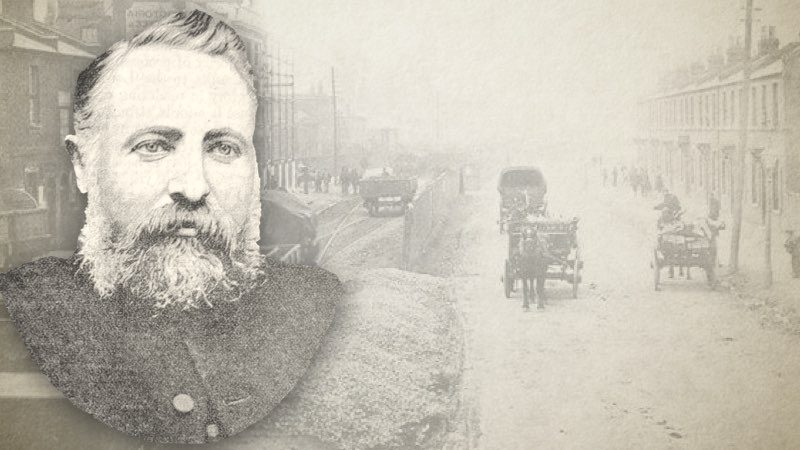
Different Shades Of Calvinism
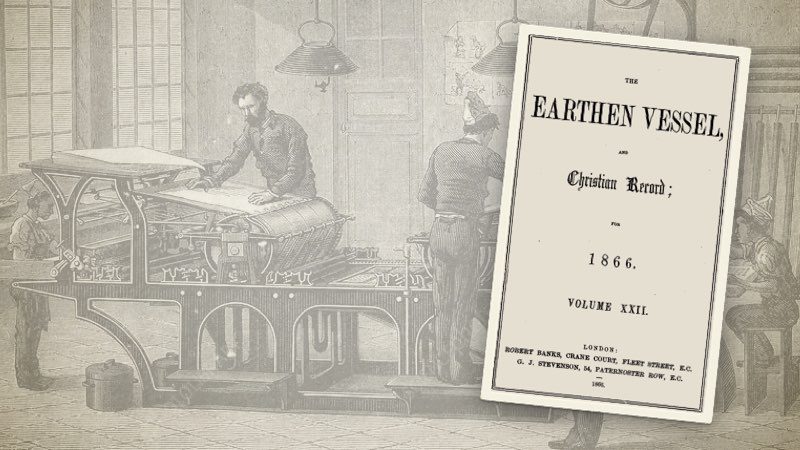
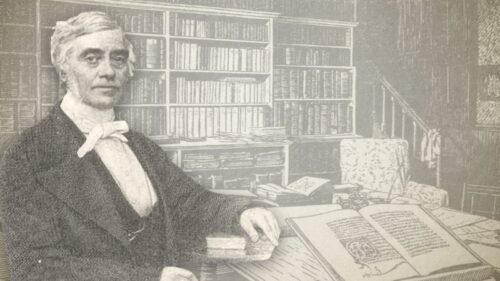
This article was written for the Earthen Vessel in the year 1909, the author unknown. However, there is a reference at the end which leads me to believe William Styles was the writer. His views, generally speaking, were representative of the Strict and Particular Baptist denomination at the time. Of course, this included not only the churches in association with the Metropolitan Association of Strict Baptist Churches and the Strict Baptist Mission, but many other churches and believers in subscription to the Earthen Vessel. These churches and organizations were Hyper-Calvinists by creed and conviction.
-
Unmasking The Myths Of The Reformed Baptist Movement
FOR A COMPLETE ORDER OF WORSHIP, INCLUDING BIBLE READING, HYMNS AND SERMON...
-
The Need Of An Evangelistic Spirit In Our Churches
The following address was given by Edwin White at the Annual Meeting of the Metropolitan Association of Strict Baptist Churches (MASBC) in March 1903. Herein Mr. White underscores the biblical mandate to preach the gospel to all sinners, especially in the hearing of the unconverted. Mr. White was a Hyper-Calvinist, and so were the churches he was addressing. They rejected the notion that saving faith is a spiritual and/or legal duty of the unregenerate and denounced the practice of free offers of the gospel.
-
Andrew Fuller Split The Particular Baptist Denomination
The Works of Andrew Fuller; very large hardback; 1012 pages; price £27; published by The Banner of Truth Trust, and obtainable from Christian bookshops. We must confess we were rather surprised that Banner of Truth should publish the works of the renowned Baptist minister, Andrew Fuller (1754-1815). As is well known, the publication of Fuller’s The Gospel Worthy of All Acceptation in 1785 split the old Particular Baptist denomination in two. There were many like Gadsby, Warburton, Kershaw and Philpot who rejected Fuller’s teaching (and interestingly, with this section a wonderful time of spiritual prosperity followed).
-
The Mosaic Covenant: A Reiteration Of Works, An Administration Of Grace Or A Mixture Of Both?
Peter Masters delivered two lectures on the biblical covenants for the 2016 School of Theology, Metropolitan Tabernacle. He asks the question, Was the Mosaic Covenant a reiteration of the Covenant of Works, an administration of the Covenant of Grace or a mixture of both? He takes the view it is a reiteration of the Covenant of Works. I answer,...
-
Reformed Baptists Stumbling Over The Teachings Of Keach And Gill
Peter Masters believes Benjamin Keach and John Gill collapsed the Covenant of Redemption into the “conditional” Covenant of Grace, thereby combining the various components of each covenant into one. Samuel Renihan believes Keach rejected the Covenant of Redemption in favor of the “conditional” Covenant of Grace. I have met Reformed Baptists believing one or the other of these views, some of whom say they derive great benefit, especially from the teachings of Gill.